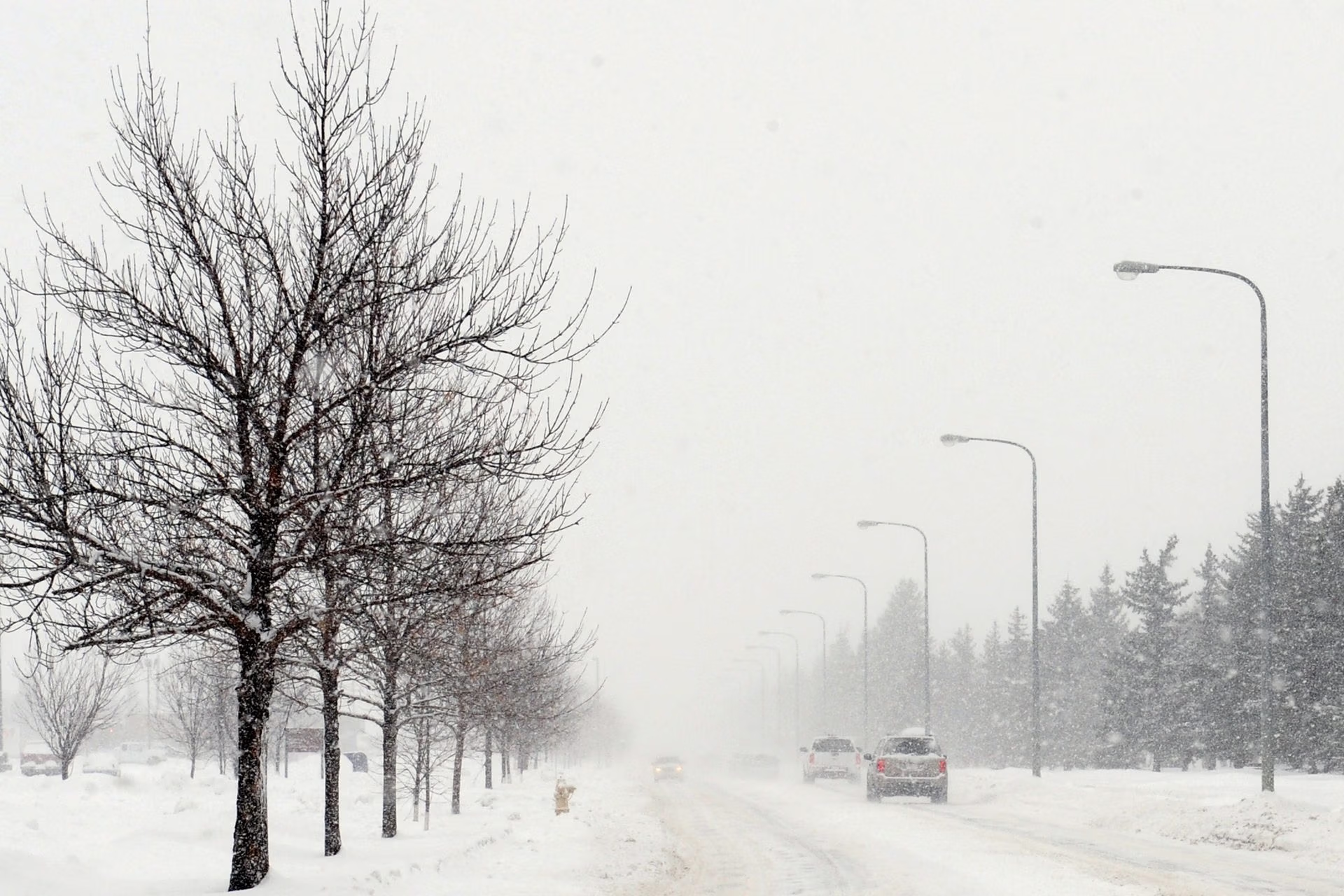
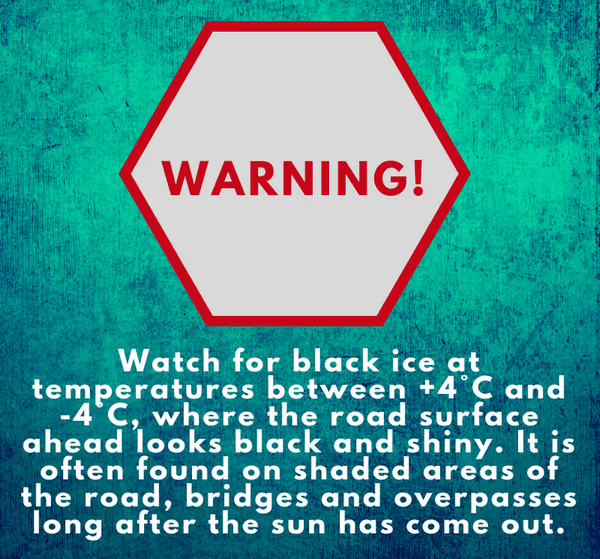
 2) Clear snow and ice from your vehicle Make sure you clean all windows, mirrors, lights and the roof from the snow that has fallen overnight or during the day, so as not to endanger the other participants in traffic. If visibility becomes poor, find a place to safely pull off the road as soon as possible to clean the snow off. Also, wait for any foggy windows to clear up. 3) Keep a full tank of gas Aside from helping in reducing moisture in the fuel system, a full gas tank also adds extra weight to your vehicle to slow it down. Most importantly, you will have enough fuel for slower driving, detours and turning back if needed. 4) Check the weather forecast regularly Make sure you know what kind of weather conditions to expect when you leave the house. Environment Canada issues warnings when it expects: – Winds – cause blizzard conditions, drifting, poor visibility and wind-chill effects; – Cold snaps – rapid drops in temperature; – Blizzards – the worst winter storms that can last 6 or more hours and bring falling, blowing and drifting snow, winds of 40+km/h, poor visibility and temperatures below -10°C; – Heavy snow – can bring 10+cm in 12 hours or 15+cm in 24 hours; – Freezing rain or drizzle – raindrops that freeze near the surface coating it in a coat of clear ice (glaze). 5) Drive slowly If you must drive in during winter, check weather and travel conditions before heading out. Fog, black ice, slush or snow-covered roads can make driving dangerous, so you need to drive according to the road conditions around you and don’t rely on the estimated time of arrival your GPS gives you. Give yourself extra time for travel and, if the weather is bad, wait for conditions to improve. Always tell someone where you are going, the route you plan to take and when you expect to arrive. If you don’t arrive on time, and people are worried about your safety, they will know where to search for you. If driving becomes too risky, turn back or look for a safe place to stop until it is safe to drive.
  6) Drive alertly and wear a seat belt Don’t get behind the wheel if you don’t feel alert, well-rested and sober and always wear your seat belt. When worn correctly, seat belts save lives. Lap belts should be kept low and snug over the hips, while shoulder belts should always be worn across the chest. Children aged 12 and under should ride in the back seat, safely seated in a car seat or booster seat made for their size and age. 7) Wear comfortable clothes It’s a good idea to layer up in the winter time, but having too many layers can restrict your movement and make it difficult to check your blind spot. Therefore, make sure your clothes are comfortable enough to allow you to drive safely. 8) Avoid using cruise control on slippery roads It’s easy to lose control of your vehicle in bad weather if you rely on cruise control, so make sure you have a firm grip on the wheel at all times and that it’s you who directly dictates the car’s speed.
 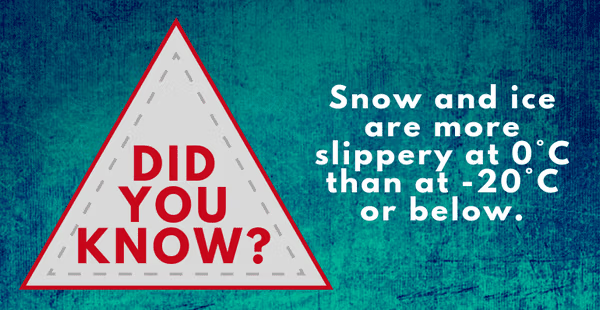 9) Find the best way to recover from a skid How your vehicle responds to a skid depends on whether or not it has rear wheel, front wheel or four-wheel drive. If your vehicle has an anti-lock braking system (ABS), learn how to use it correctly. 10) Don’t hesitate to call for help Always have a fully charged cell phone with you, especially during winter. That way you will be able to call for help in case of an emergency or in need of help. *911 is a free call. However, don’t talk, text or check social media and drive. Let someone with you make the call or pull over to a safe spot to place a call. Moreover, if you do a lot of winter driving in areas with poor reception, think about getting a citizen’s band (CB) radio. There is always someone listening, so you might be able to get the help that way. CRS Automotive can help you with getting your car ready for winter weather, so don’t hesitate! Come to our repair shops in Hamilton today! We are located only 7 min driving West of The Centre on Barton Shopping Mall and 11 min South East of Hamilton General Hospital.
 Frequently Asked Questions
Do I need winter tires for driving in Hamilton?
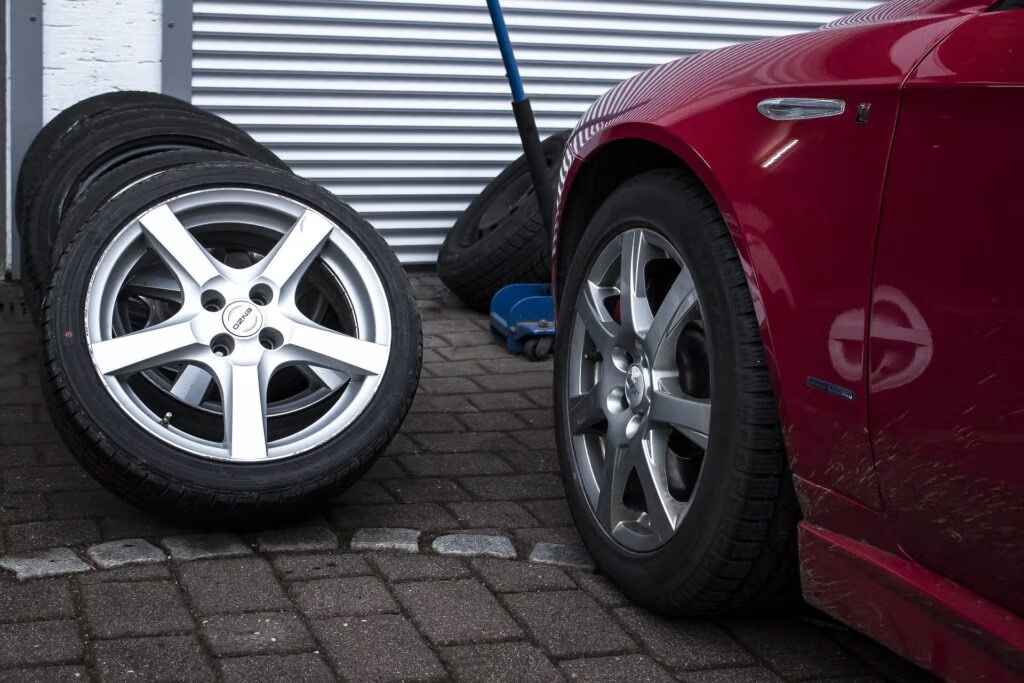
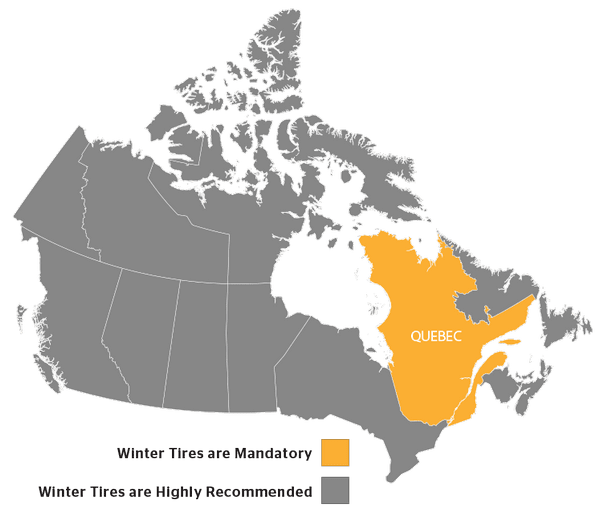
Yes. Winter tires provide better traction on snow and ice than all-season tires. Ensure tires have adequate tread depth and proper inflation; CRS Automotive can inspect tire condition, perform balancing, and install seasonal tires.
What vehicle checks should I do before winter driving?
Check battery health and terminals, fluid levels (coolant, oil, windshield washer fluid rated for low temperatures), lights, brakes, wipers, and tire condition. CRS Automotive offers inspections and diagnostics to verify these systems and recommend any necessary repairs.
What should be in a winter emergency kit for my car?
Include jumper cables or a battery booster, tire inflation kit or spare, shovel, flashlight with extra batteries, warm blanket or extra clothing, bottled water and non-perishable snacks, phone charger, and road flares or warning devices. Tailor the kit to your vehicle and typical travel distances.
How should I drive if I encounter snow, ice, or poor visibility?
Drive slower than normal, increase following distance, avoid sudden braking or steering inputs, and pull over safely if visibility or road conditions become hazardous. Do not use cruise control on slippery roads and tell someone your route and expected arrival time.
Can CRS Automotive prepare my electric or hybrid vehicle for winter?
Yes. CRS Automotive services electric and hybrid vehicles, including battery and electrical diagnostics, heating system checks, and other winter-prep items. Book an inspection or appointment online to have a technician assess winter readiness.