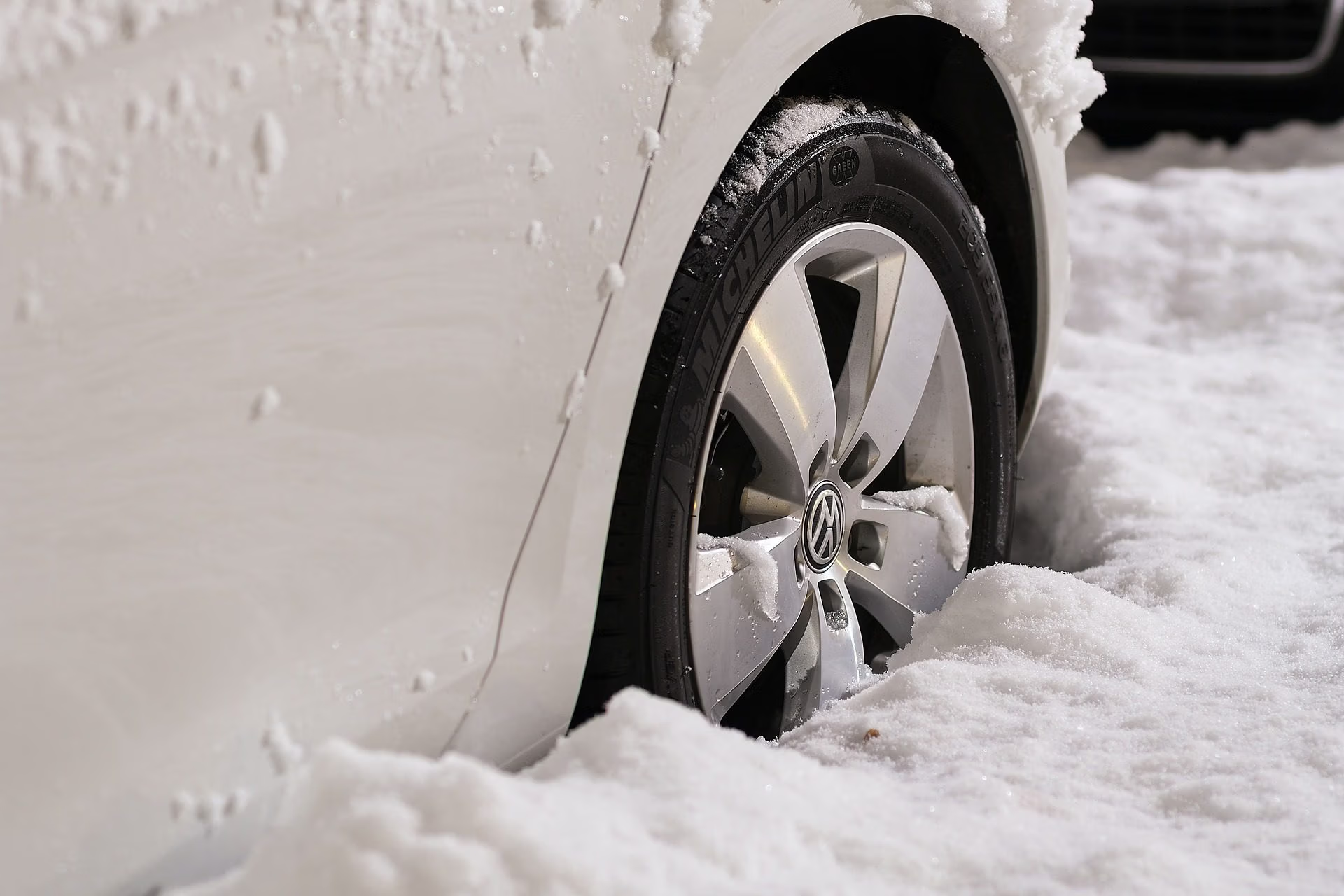
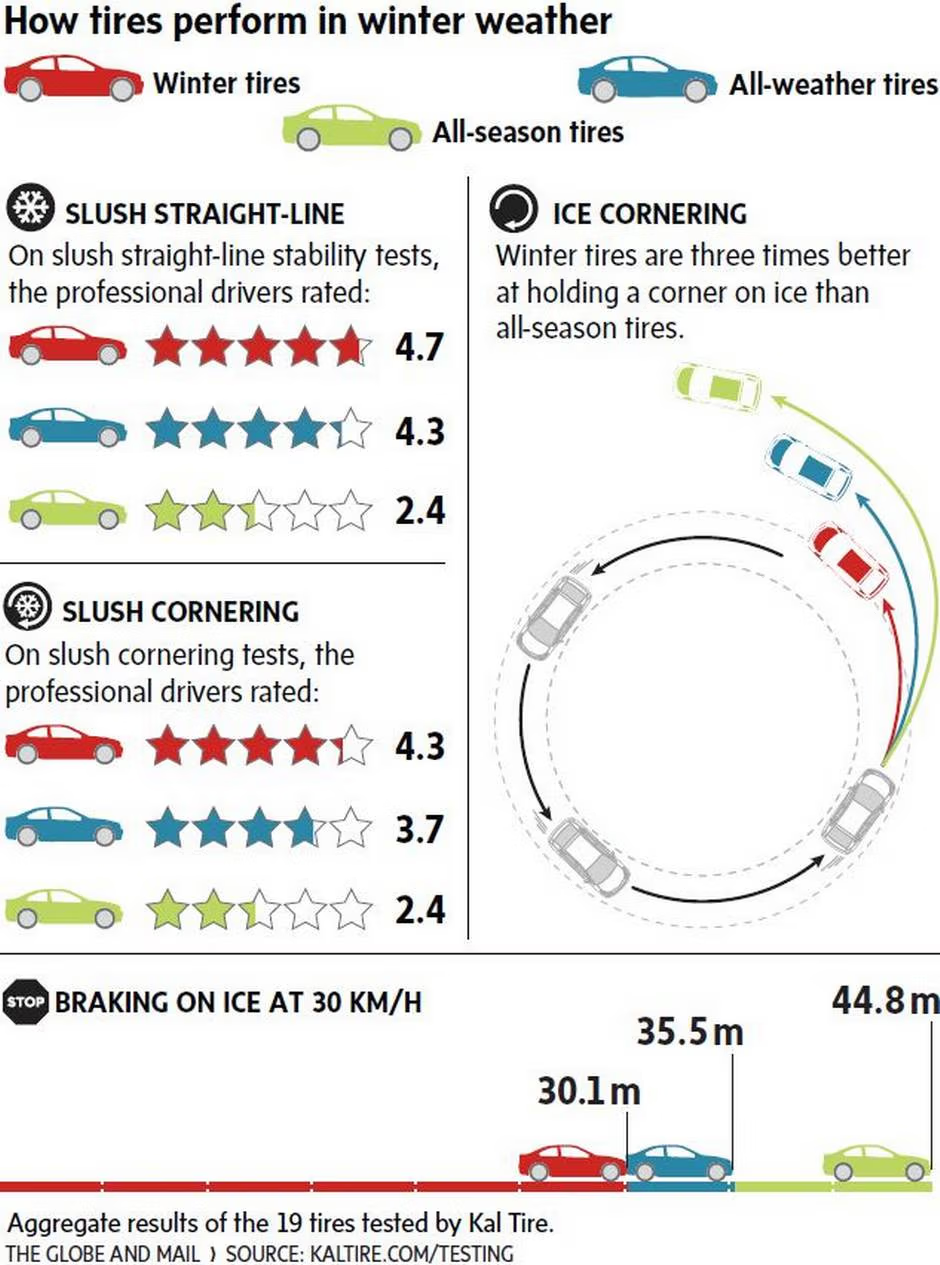
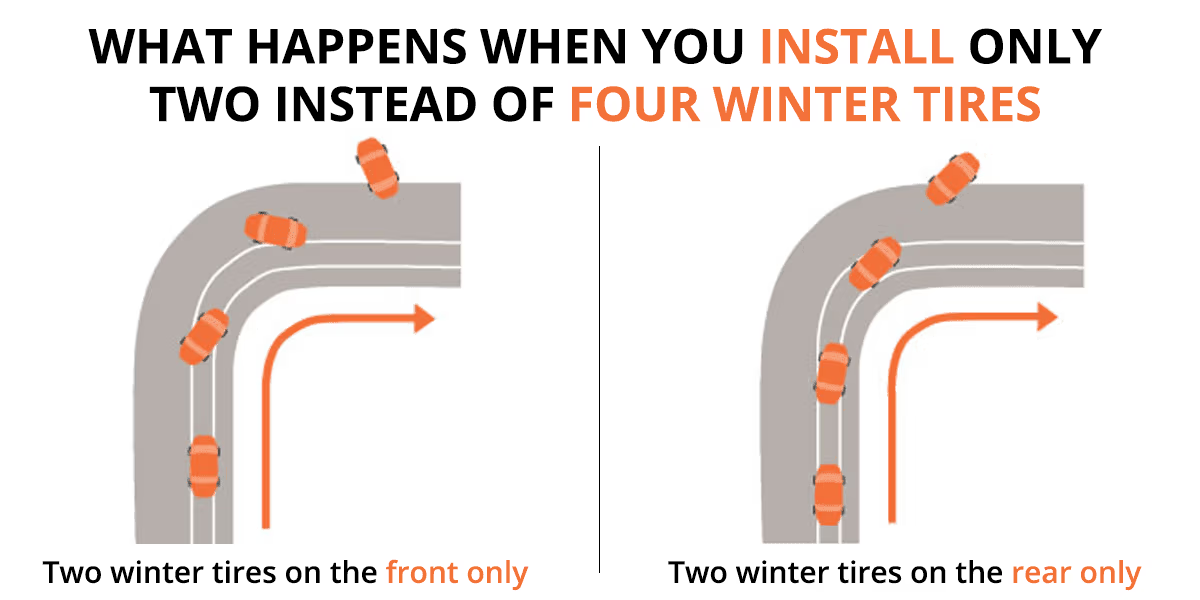
 As a rule of thumb, if you live in such a location where the temperatures regularly hit below +7°C, you are definitely going to need a new set of winter tires. Yes, there are many variables involved when it comes to deciding which type of tire will give the best performance under which circumstances, but the temperature is the one with the most amount of influence over it.With temperatures dropping the rubber in all-season tires starts to harden, providing less traction. However, winter tires are made with rubber that stays softer in the cold giving increased traction, braking and handling on cold and dry pavement. They also have treads designed to grip ice and snow.(For more on when the best time to install winter tires is and why, read one of our other blog posts.)2) Winter tires are supposed to go on all 4 wheelsIn case you have an all-wheel drive (or an xDrive) vehicle, you might think you have successfully eliminated the need to install winter tires.Well, you are wrong!While it may help you not get stuck on a deserted back road or provide you with better control when plowing through slush buildups during a lane change, all-wheel drive does not outperform two-wheel drive in the areas that most consumers expect. When you try to stop or turn on snow and ice, an all-wheel-drive car performs no better than one with two-wheel drive. For both cars, the limiting factor is their tires. And when it comes to tire traction on cold surfaces, the evidence is clear – winter tires are essential.What is more, it is quite dangerous to install winter tires on only one axle – you should always install winter tires in sets of four to avoid compromising the vehicle’s safety and the overall effectiveness of winter tires.Many drivers are convinced that it is enough to install winter tires only on the driven wheels, but an all-wheel-drive vehicle doesn’t stop or turn any better than one with two-wheel drive. Although the driven wheels are key to acceleration, as far as braking and cornering are concerned, traction is required on all four corners.Having each axle grip differently is a recipe for disaster on snow. If the snow tires are on the front axle the car will fishtail unpredictably and uncontrollably. If they are on the rear axle, steering grip will be dangerously limited and the car will understeer. Mixing winter and non-winter tires create a dangerous traction imbalance that can throw you out of control, as you can see in the next picture:
  3) Winter tires will cost you less than an accident on the roadIf you are reading this and thinking that buying another set of tires aside from your summer ones or all-season ones will cost you dearly, you are only somewhat correct.Yes, winter tires tend to be slightly more expensive than other kinds, but if you change your tires regularly and use your dedicated tires appropriately, they will last you at least twice as long than having just the one pair.Moreover, as there are drivers out there that are questioning replacing summer or all-season tires for winter ones in October or November, there are also those who do the opposite when spring comes.Why, you ask?To save money.But, it that the way to go?Certainly not, since winter tires typically cost more than all-season tires, using them all year means you will be wearing out a more expensive set much faster than expected. And since winter tires’ pliable rubber compound and tread are designed to give more traction in cold weather, they will wear out more quickly in the heat AS WELL AS leave you wanting for better handling capabilities. In financial terms, that also means your vehicle will have worse fuel economy because winter tires won’t roll as smoothly as summer ones.As with any investment, you save money when you get the most value from your tires. One way to get the longest life out of tires is to use them for what they’re made for. Therefore, it’s smarter to buy two sets of tires made for your driving conditions and swap them when the weather changes.To prepare for the incoming winter, look for the Three-Peak Mountain Snowflake (3PMSF) symbol branded on a tire’s sidewall indicating it meeting required performance criteria in winter conditions:
 We can help you choose and install the right winter tires on your vehicle. Visit us today – our repair shop is in Hamilton! We are located only 5 min driving North of St. Peter’s Hospital – Hamilton Health Sciences and 6 min driving North of Gage Park.
Frequently Asked Questions
Why should I switch to winter tires in Hamilton?
Winter tires are designed with tread compounds and patterns that maintain traction at low temperatures and on snow or ice. In Hamilton’s cold months they improve braking, cornering and overall control compared with all-season tires, increasing safety for drivers and passengers.
When is the best time to install winter tires?
Install winter tires before temperatures consistently drop below about 7°C (45°F), typically in late fall. Putting them on early ensures you have optimal traction for sudden cold snaps, snow or icy conditions rather than waiting for the first storm.
Can I mix winter tires with my existing tires?
Mixing tire types on a vehicle is not recommended. Differences in tread, rubber compound and grip can affect handling and stability. If you must mix temporarily, ensure the best tires are fitted to the rear axle for safer handling, but full matching winter sets are preferred.
Do I need different wheels for winter tires?
You can mount winter tires on your existing wheels if the sizes match and there is adequate clearance. Many drivers choose a separate set of steel wheels for winter to simplify seasonal swaps and protect alloy wheels from road salt and corrosion.
Can CRS Automotive help me choose and install winter tires?
Yes. CRS Automotive offers consultation, tire selection guidance and professional installation, balancing and seasonal changeover services at the Hamilton service centre. You can book an appointment online for inspection and fitting.