#1 Loud or Soft Squeaking Noises
This is a common occurrence for most drivers, but it’s also a good sign that your brake pads are nearing the end of their lifespan. The noise can also be caused by a collection of dust or dirt on your brake pads as a result of bad weather conditions. This can easily be resolved by cleaning the brake pads. However, it’s always a good idea to take your car in for service if you suspect that the noise isn’t being caused by a build-up of rust.#2 Your Brake Pads Look Incredibly Thin
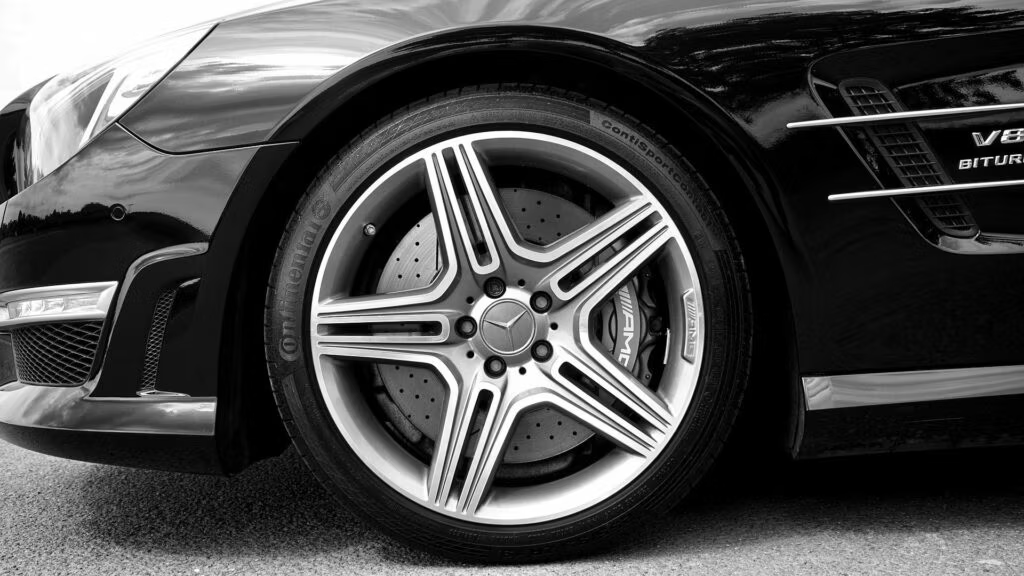
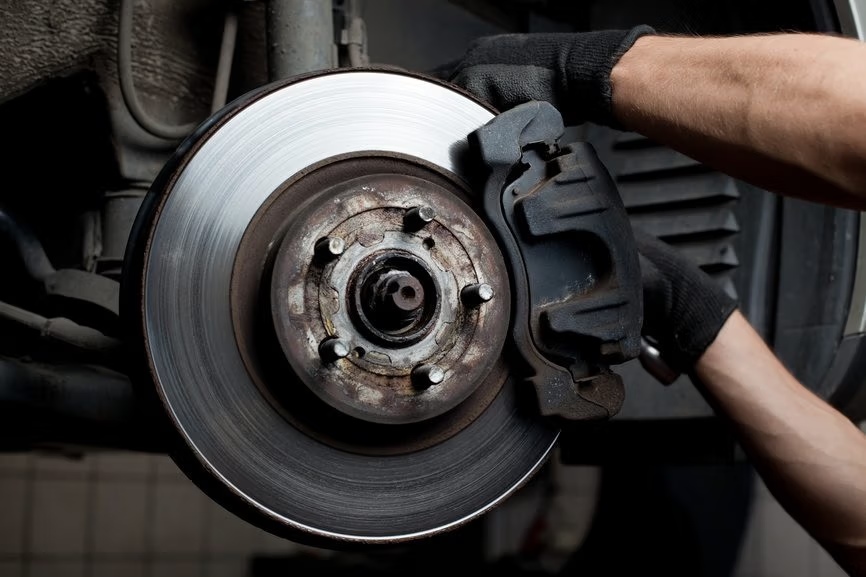
Another way to check your brake pads is by taking a look at them. If you take a look through your tire spokes, you’ll be able to see your brake pad and brake rotor. The pad should be 3mm (millimeters) thick.#3 Metallic Grinding Noises
If you are hearing grinding or growling noises when you are driving, then this could be a sign that not only are your brake pads worn down but that your brake discs and calipers are also brushing against each other.#4 Your Car Tells You It’s Time for a Change
Some cars let their drivers know that it’s time to change the brake pads by showing a warning. You might also feel that your brake pads vibrate when you press on them. Both of these indicate that it’s time to take your car in for a service.If you are experiencing any of these signs with your brake pads or any other problems with your car, CRS Automotive is happy to assist. We will provide you with a high-quality and thorough car service that will guarantee your safety and comfort when driving in your car. Want to book a service now? Contact us today!We are located only 5 min driving North of St. Peter’s Hospital – Hamilton Health Sciences and 6 min driving North of Gage Park.Frequently Asked Questions
How do I know if my brake pads need replacing?
Common signs include squeaking or metallic grinding noises when braking, visible thinning of the brake pad material (around 3 mm or less), vibration or pulsation through the brake pedal, and dashboard brake warnings. Any of these symptoms warrant an inspection to confirm pad wear and check related components like rotors and calipers.
Can dirt or rust cause brake noises even if pads aren’t worn?
Yes. Surface rust or accumulated debris can cause squeaks or temporary noise, especially after wet weather or short trips. Cleaning and a professional inspection can distinguish surface issues from true pad wear or mechanical problems that require replacement.
What happens if I ignore grinding noises from the brakes?
Grinding usually indicates the pads are worn down to the metal backing, allowing metal-to-metal contact with rotors. Continued driving can damage rotors and calipers, increasing repair costs and compromising braking performance and safety. Have the brakes inspected promptly.
How is pad thickness checked without removing the wheel?
Technicians often inspect pad thickness through the wheel spokes or remove the wheel for a clearer view. Visually, a pad material thickness at or below about 3 mm typically indicates replacement is needed. A full inspection will also assess rotor condition and hardware.
Do you service brake systems for cars and trucks at CRS Automotive?
Yes. CRS Automotive provides brake inspections, pad replacement, rotor and caliper service for cars, light-duty trucks and medium-duty vehicles. If you notice any symptoms or have concerns, book an appointment for a professional diagnostic and recommended repairs.