Frequently Asked Questions
What essential items should I always keep in my car for emergencies?
Keep an escape tool (seatbelt cutter/window breaker), a reliable flashlight or headlamp, a first-aid kit, jumper cables or a portable jump starter, a tire pressure gauge, a spare tire with jack and lug wrench (or a repair kit), bottled water and nonperishable snacks, and a multi-tool. Store frequently used items within easy reach of the driver.
How often should I check my tire pressure and what PSI should I use?
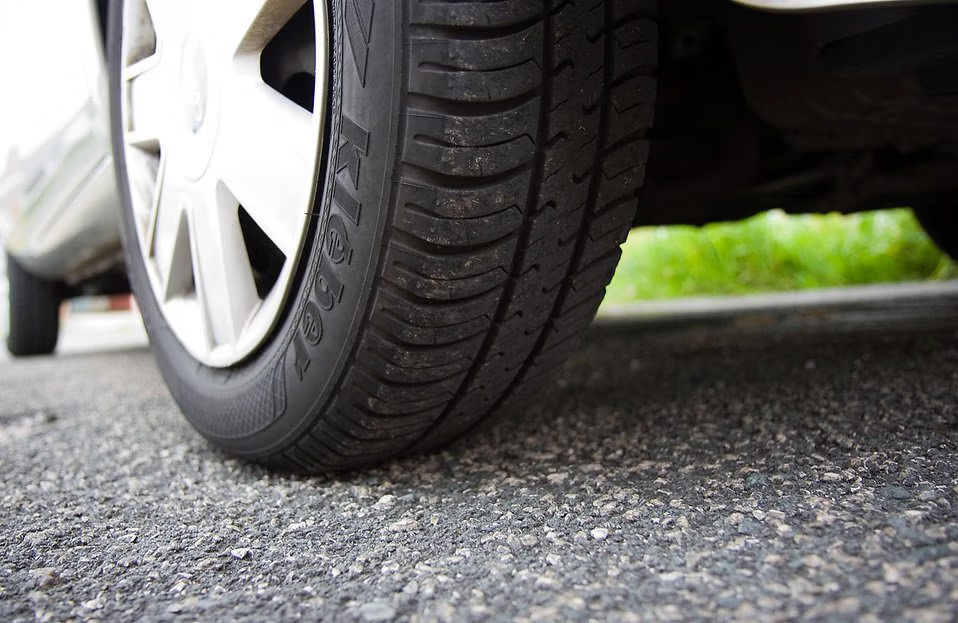
Check tire pressure at least once a month and before long trips. Use the vehicle manufacturer’s recommended PSI listed on the driver’s door jamb or in the owner’s manual rather than relying on common numbers, since correct pressure varies by vehicle and load.
Can duct tape or soapy water help with roadside repairs?
Duct tape can provide temporary fixes for loose trim or minor body damage to get you to a shop, but it’s not a permanent repair. Soapy water in a spray bottle is a useful, low-cost method to locate air leaks in a tire by watching for bubbles; any temporary plug should be followed by professional tire repair or replacement.
What should I do if my battery dies and I don’t have another car to jump from?
If no other motorist is available, use a portable jump starter if you have one; follow the manufacturer’s instructions for safe connection. If you don’t have a jump starter, contact roadside assistance or a mobile mechanic to avoid unsafe attempts at starting the vehicle.
Are there items that typically come with a used car that I should check for?
Yes—inspect the trunk and glove box for the owner’s manual, spare tire, lug wrench, jack, and any included service or warranty documents. If these items are missing, add replacements to your emergency kit and schedule any necessary maintenance with a trusted service center like CRS Automotive in Hamilton.