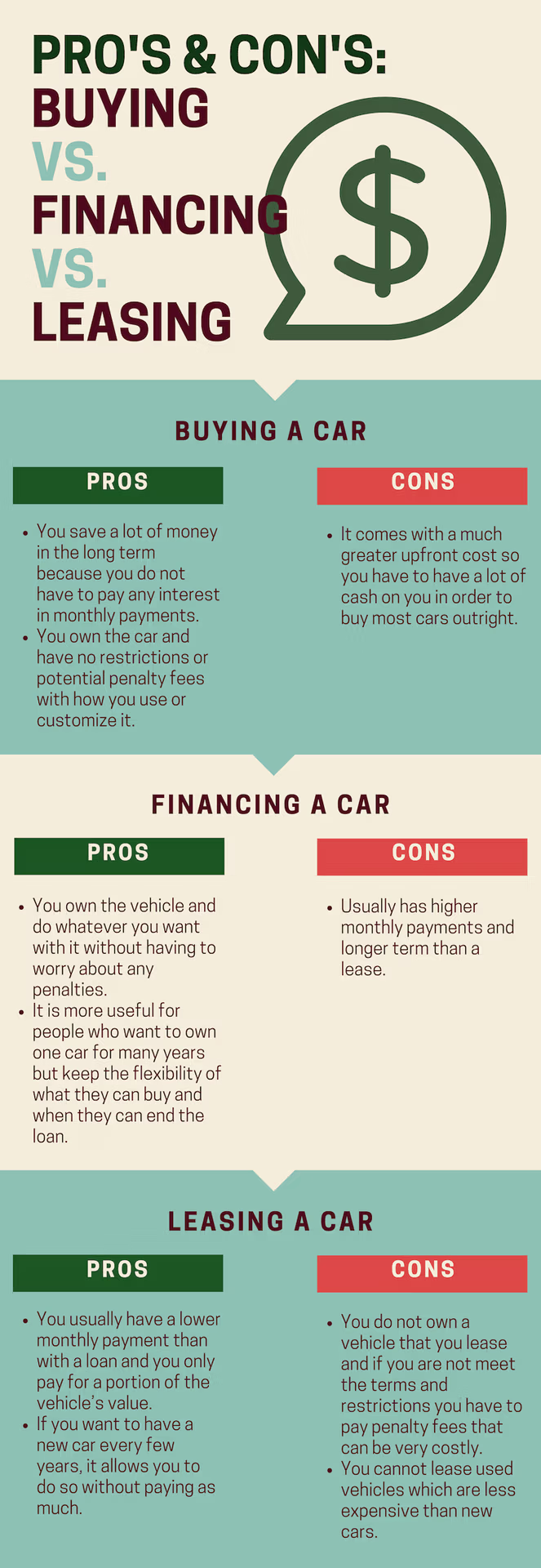
- Outright buying: Making a big investment upfront without having to worry about making additional payments.
- Financing: Getting a loan directly from a bank, dealership or credit union to buy the full value of the car.
- Leasing: Entering into a contract with a dealership or leasing company that allows you to use the car for a set period of time in exchange for set payments and you ensuring and maintaining the vehicle.
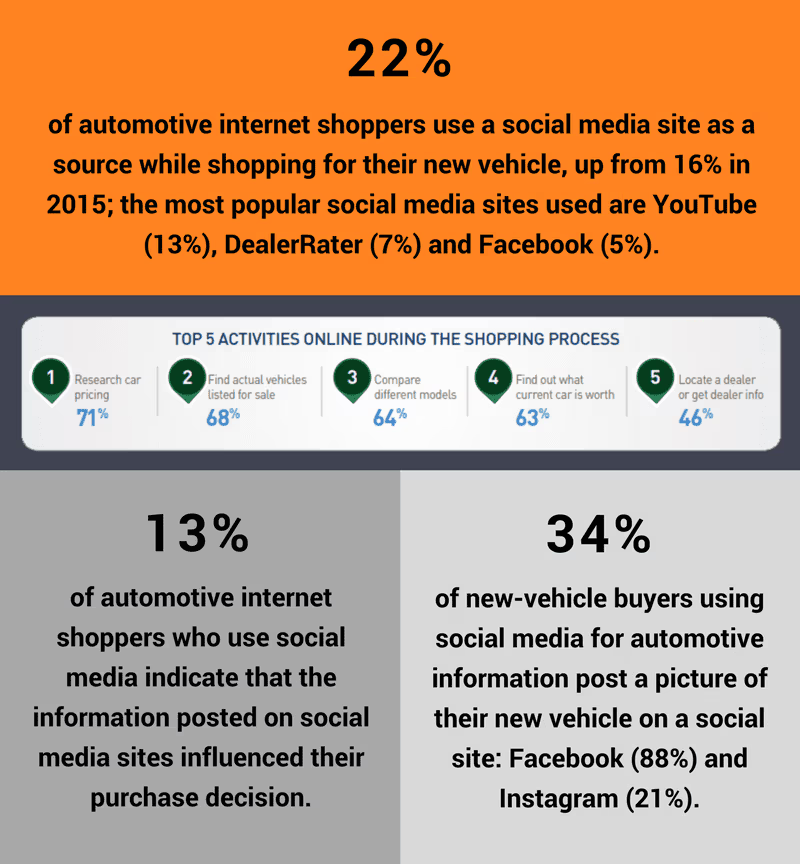
 3) Consider your needsThe car you wish to buy must reflect your needs or the specific purposes you are buying it for. A student or a young professional with limited finances might want to go for fuel efficient or used cars while they get established. On the other hand, a family needs more space, so they are more likely to go for a spacious vehicle – an SUV, for instance. Buying a car is a type of long-term commitment, so you need to make sure it fits your needs, plans and overall lifestyle. That way you will be saving yourself a headache down the road by buying a vehicle that won’t cost you too much in fuel or have insufficient seating space.4) Research car makes and modelsOnce you have a budget in mind, it will be a lot easier to see what kind of vehicle is available within the range – what makes and models are to your liking. You might like your neighbor’s BMW, but don’t let that sway you if you can’t afford it. Personal preferences based on previous experience have proven to be the most accurate way of choosing a vehicle to buy. However, if you are a first-time buyer, you need to do your research. Nowadays, it’s all about the Internet and Social Media – youngsters like to use these tools to find their new cars and show off after the purchase. This is where you can compare vehicles on criteria like price, make, model, year, fuel type, kilometers and reviews and get first-hand experiences about the total cost of ownership per brand or diesel vs. gas or even if it’s cheaper to own electric vehicles instead of fossil-fueled ones. Moreover, documenting the research you’ve done on available vehicles is a great way to stay organized and facilitate the selection process. Also, do the research on the car manufacturer and dealer to see what kind of vehicles you can expect to find where they are concerned and if the dealer is OMVIC-certified.
 5) Ask questions and test drive the carOnce you start looking at the actual vehicles the dealer has to offer, inspect their physical condition – especially if you are buying a used vehicle. Check the doors, trunk, navigation system, stereo, radio and anything else you can think of for scratches, rattling, glitching, etc. Request to see its service records so that you can form your own opinion on the way the vehicle has been used and maintained. Also, ask for CarProof and Collision Records, but even if they are clean, check the car yourself for visual confirmation of it not having been damaged in an accident.Additionally, test drive the car to see if it’s the right fit for you. Aside from making sure it’s comfortable for you and your family members, pay attention to these things:
- Idle: The car should be smooth and quiet.
- View: Make sure the view from each of the mirrors is acceptable and you have a straight line view of all dashboard gauges.
- Controls: Flip on the air, locate the turn signals and turn on the windshield wipers – everything should be easy to use.
- Handling and brakes: Make sure the car responds when you push the accelerator or brakes as cars can vary significantly in terms of sensitivity.
Frequently Asked Questions
Do you service electric and hybrid vehicles at CRS Automotive in Hamilton?
Yes. CRS Automotive provides service and diagnostics for electric and hybrid vehicles alongside conventional cars, light-duty trucks and medium-duty vehicles.
What types of vehicles and fleets do you support?
CRS Automotive works with all makes and models, servicing passenger cars, light-duty trucks, medium-duty vehicles and fleet vehicles for businesses in Hamilton, Ontario.
How can I book an appointment at the Hamilton service centre?
The Hamilton centre is open seven days a week and offers online appointment booking for customer convenience. You can schedule routine maintenance, inspections or diagnostic work through the online booking system.
What diagnostic and inspection services do you offer?
The shop provides full vehicle inspections, engine and electrical diagnostics, dashboard warning light diagnostics, transmission and drivetrain diagnostics, and fleet safety inspections to identify issues and recommend repairs.
Do you handle tires, brakes and suspension repairs?
Yes. CRS Automotive performs tire installation, balancing, rotation and seasonal tire changes, as well as brake inspections and repairs, steering and suspension diagnostics and related wheel services.