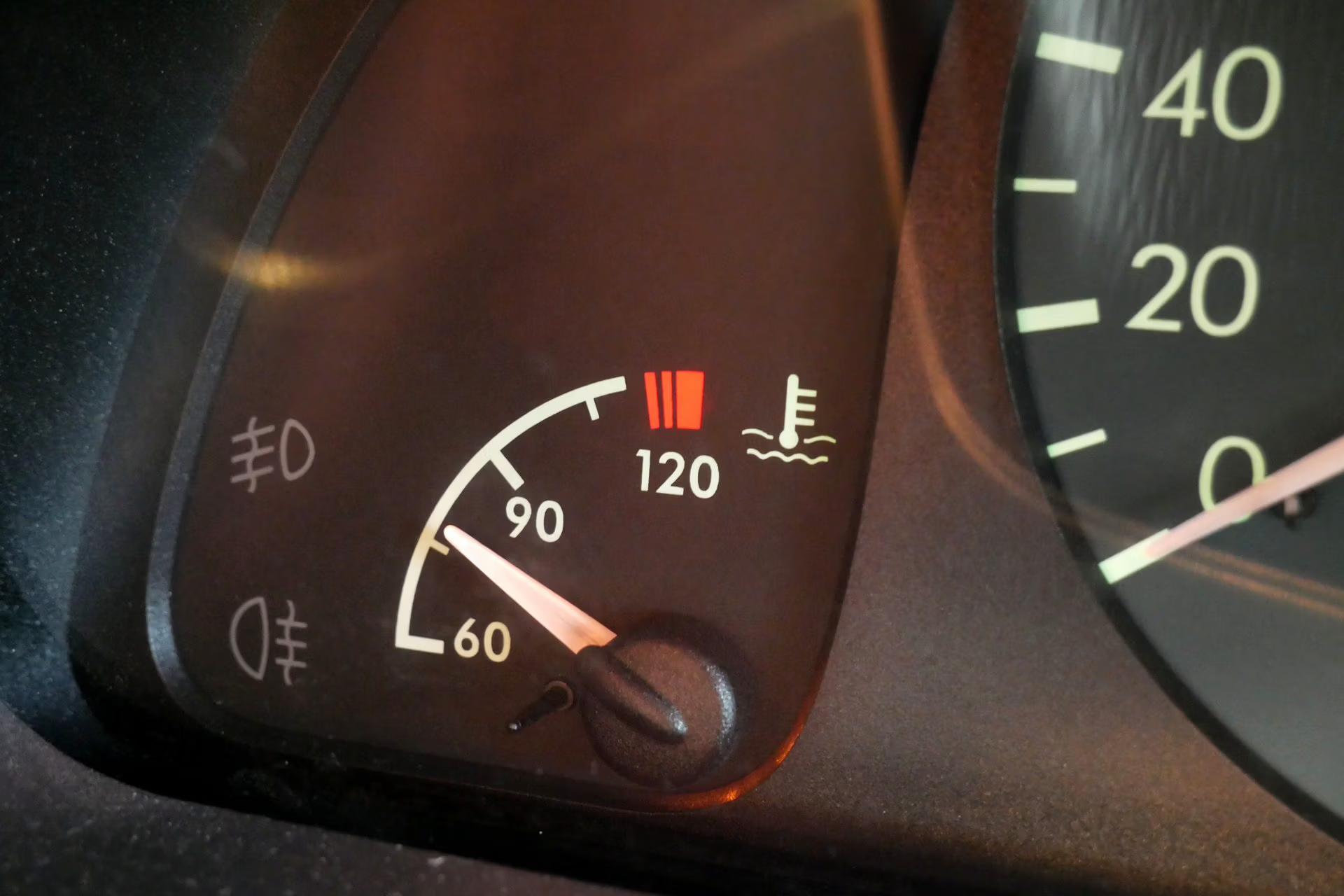
- The most obvious sign of the engine overheating is the temperature dashboard light. This either means that the engine is low on coolant, or that the fluid got so contaminated that it can’t function anymore.
- The heating inside the cabin doesn’t work properly. The cooling system is responsible for redirecting the hot temperature from under the hood into the cabin. The coolant absorbs the hotness from the engine, getting really hot itself and pumping into the heater. The fan blows into it, bringing warm air into the cabin. If you aren’t feeling enough heat, maybe you’re running low on coolant. Or the coolant is so contaminated with particles of the rust and dirt that they blocked the system.
- Something smells sweetish, but you don’t want to eat it. It’s your coolant giving away the signs that it needs some refilling. There’s bound to be a leak somewhere in the system. Before identifying the leak, if you’re on the road, refill with some more coolant or water, as we’ve told you already.
- Coolants come in bright and distinctive colors for a reason. You should interpret color change as a sign of malfunction. Luckily, this is an inspection that can easily be done and you can rely pretty much on your naked eye. Open the radiator cap and see what’s beneath it or on its backside. If there is a muddy, yucky substance accumulated on the surface, it’s time to change. Pump out some fluid with a big syringe or turkey baster and check out the color. If it isn’t limpid and clear, you know what needs to be done.
“We strongly advise you against it, as failing to do all the steps properly may lead to the engine overheating and possible damage that could drain a serious amount of money from your credit card,” says Ahmad.There are three basic types of coolant services.
- The drain and fill option. The technician will unscrew the drain plug, drain the old coolant, flush the entire system (as it needs to get rid of all the contaminants that are all over the place), and pour the new coolant into the reservoir.
- The vacuum service, which sucks out all the coolant and then refills the system.
- Cooling system flush, which forces the old coolant out with pressure, and lets the new coolant in.
Frequently Asked Questions
How often should I change my coolant?
Check your owner’s manual for the manufacturer’s recommendation. CRS Automotive recommends inspecting coolant every 100,000 km or every 4 years as a precaution; some vehicles with Long-Life Coolant may require changes less frequently.
What should I do if the temperature warning light comes on?
Safely pull over and turn off the engine to prevent damage. If safe, check the coolant reservoir level once the engine has cooled; top up with coolant or water to get to a service location. Bring the vehicle to CRS Automotive for a diagnosis to locate leaks or contamination.
Can I add water to the cooling system in an emergency?
Yes—if you’re stranded, adding water can help cool the engine enough to reach a service shop. Water is a temporary measure only; return to CRS Automotive promptly to flush and refill with the correct coolant mix.
How can I tell if my coolant is contaminated or needs replacing?
Signs include a temperature warning light, reduced cabin heater output, a sweet smell, visible leaks, or discolored/muddy coolant when you inspect the radiator or reservoir. Any of these signs warrant a coolant inspection and likely service at CRS Automotive.
What coolant service options are available and which should I choose?
Common services are: drain-and-fill (drain old fluid, flush, refill), vacuum refill (suck out and replace coolant), and pressure flush (force out old coolant and replace). CRS Automotive’s technicians can recommend the right option based on vehicle type, coolant condition, and system contamination.