
When a business vehicle breaks down, the repair bill is only part of the problem. The bigger cost often comes from everything that stops while the vehicle is unavailable: missed appointments, delayed deliveries, employees waiting for transportation, and customers who have to reschedule.
For a Hamilton contractor with four service vans, losing even one vehicle can disrupt an entire day’s schedule. For a delivery company, a breakdown can affect several routes. And for businesses operating larger fleets, unexpected repairs can quickly create scheduling and operational problems.
Regular fleet maintenance helps reduce these risks by identifying wear, servicing critical components and addressing developing problems before they cause breakdowns.
Working with a local provider of fleet maintenance services in Hamilton can also make vehicle inspections, repairs and routine servicing easier to organize.
So, how does preventive maintenance actually reduce downtime, and what should businesses do to keep their vehicles available when they are needed?
Why Vehicle Downtime Costs Businesses More Than Repairs
When a personal vehicle breaks down, it creates an inconvenience. When a business vehicle breaks down, it can interrupt revenue-generating work.
Consider a plumbing company that has a technician scheduled for several customer visits. If the service van develops a mechanical problem, the company may need to cancel appointments, find a replacement vehicle or send another employee to collect tools and equipment.
Even if the repair itself is relatively inexpensive, the operational disruption may be significant.
The full cost of fleet downtime can include:
- Repair and towing expenses.
- Lost revenue from cancelled or delayed work.
- Employee wages during unproductive time.
- Rental or replacement vehicle expenses.
- Overtime required to recover missed work.
- Additional fuel and travel costs from rearranged routes.
- Customer dissatisfaction and potential lost business.
These costs are not always recorded together, which makes unexpected vehicle downtime easy to underestimate.
For many businesses, the most important question is not simply how much maintenance costs. It is how much an unexpected breakdown could cost compared with servicing the vehicle before a problem becomes serious.
Preventive maintenance cannot eliminate every mechanical failure, but it can help reduce the risk of avoidable breakdowns and make maintenance expenses more predictable.
What Does Preventive Fleet Maintenance Include?
Preventive fleet maintenance involves inspecting and servicing vehicles at planned intervals rather than waiting for something to fail.
The goal is to keep the vehicle operating safely and reliably while identifying components that are approaching the end of their service life.
Depending on the vehicle, routine maintenance may include engine oil and filter changes, brake inspections, tire rotations, fluid checks, battery testing, steering and suspension inspections, cooling system checks, and diagnostic testing.
The right maintenance schedule depends on several factors, including vehicle type, manufacturer recommendations, mileage, engine hours and operating conditions.
Why fleet vehicles may need different maintenance schedules
A commercial van used for short trips around Hamilton has a different operating pattern from a truck that spends most of its day on the highway.
Stop-and-go traffic, frequent idling, heavy loads, repeated engine starts and extreme temperatures can affect maintenance requirements.
A vehicle that spends hours idling at customer locations may also accumulate engine operating hours without adding many kilometres to the odometer.
This is why fleet managers should consider both how far their vehicles travel and how they are actually used.
A practical maintenance plan begins with the manufacturer’s recommended intervals, adjusted where appropriate for the vehicle’s operating conditions.
How Regular Inspections Help Prevent Unexpected Breakdowns
One of the biggest advantages of planned fleet maintenance is the opportunity to identify problems before they interrupt operations.
A driver may notice a small vibration, a slow coolant leak or an unusual noise without realizing that it could become a more serious problem.
During a scheduled inspection, a technician can investigate these symptoms and determine whether the vehicle needs immediate attention.
Small problems can become expensive repairs
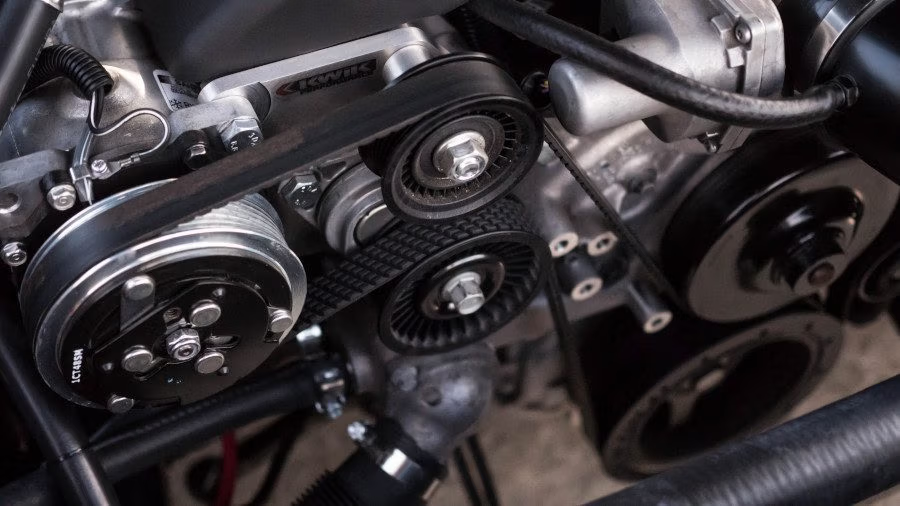
For example, a worn belt may begin making noise before it fails. A coolant leak may start small but eventually lead to overheating. A tire showing uneven wear may indicate an alignment or suspension problem.
Addressing these issues early can help prevent additional component damage and reduce the likelihood of an unexpected breakdown.
The same principle applies to brake wear, battery problems, fluid leaks and warning lights.
Inspections also help with maintenance planning
Not every problem requires an immediate repair.
A useful inspection should help distinguish between components that need attention now, maintenance that can be scheduled soon, and items that can continue to be monitored.
This gives fleet managers an opportunity to plan repairs around the business schedule instead of responding to every problem as an emergency.
Oil Changes, Tires, Brakes and Suspension: The Fleet Maintenance Essentials
Some maintenance items have a particularly strong influence on vehicle reliability, safety and operating costs.
Oil changes and engine maintenance
Engine oil protects moving components and helps control friction and heat.
For commercial vehicles operating in heavy traffic, making frequent stops or spending extended periods idling, following the appropriate oil-change interval is especially important.
Regular oil changes in Hamilton can be scheduled alongside other inspections to reduce the number of separate workshop visits.
A technician may also check for leaks, inspect filters and identify other maintenance concerns while the vehicle is being serviced.
Tires and wheel condition
Fleet vehicles often carry equipment, tools, products or passengers, creating different demands on tires.
Incorrect inflation, uneven tread wear and damaged tires can affect handling, braking, fuel consumption and overall reliability.
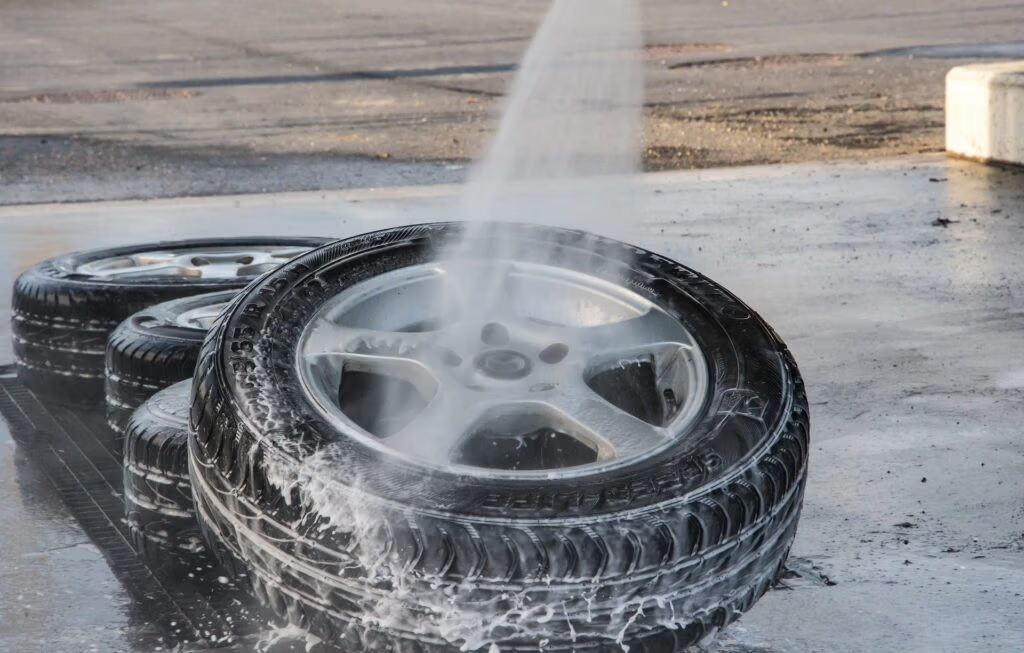
Routine tire services can help identify problems through pressure checks, tread inspections, rotations and balancing when required.
For businesses operating several vehicles, monitoring tire condition across the fleet can also make replacement planning easier.
Brake inspections
Delivery vehicles and service vans frequently operate in stop-and-go traffic. Repeated braking, heavy loads and changing road conditions can contribute to brake wear.
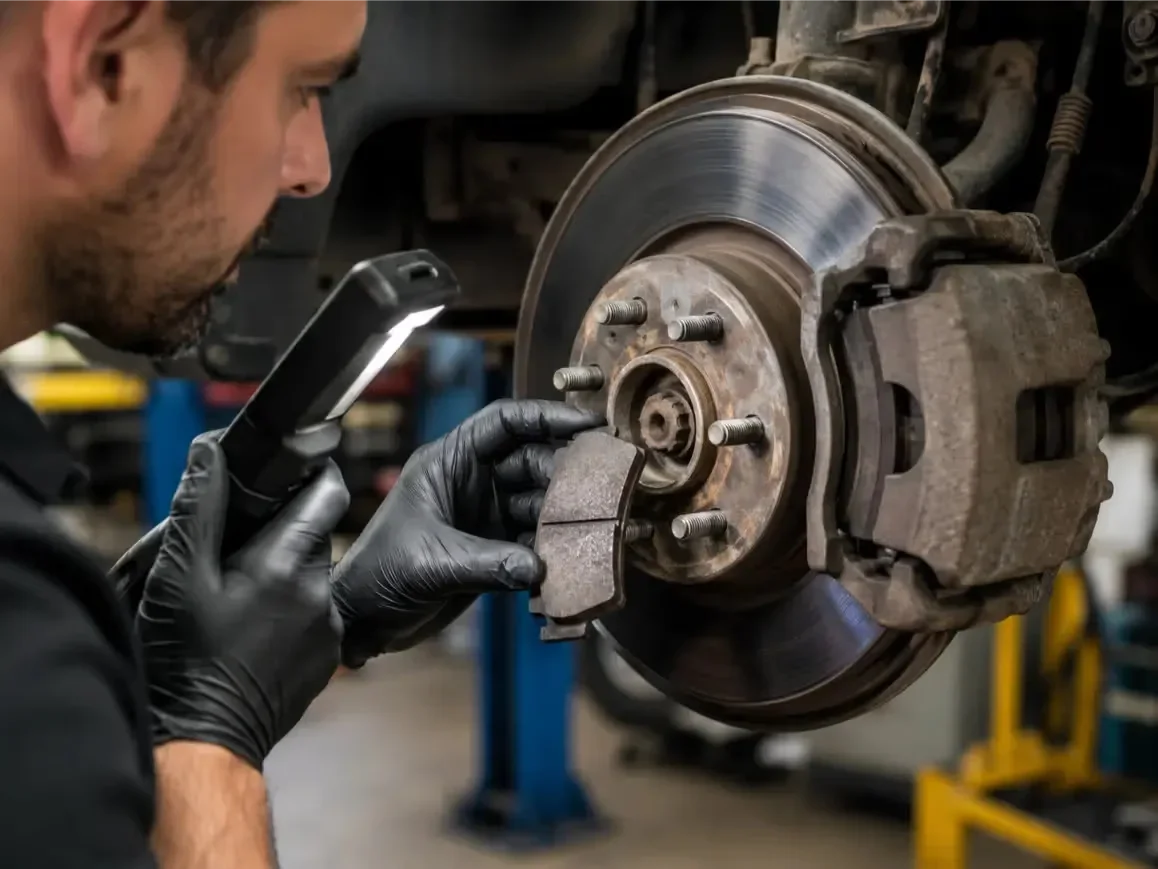
Routine inspections help identify worn pads, rotor problems, sticking calipers, brake-fluid concerns and other issues before braking performance is compromised.
Scheduling brake inspections and repairs as part of planned fleet maintenance can help reduce the risk of unexpected brake-related vehicle downtime.
Steering and suspension
Potholes, uneven roads and heavy loads can place additional stress on steering and suspension components.
Worn shocks, struts, joints and other components may affect vehicle stability, tire wear and handling.
If drivers report vibration, pulling, clunking or unusual tire wear, a steering and suspension inspection may identify the cause before it becomes more serious.
Why Fleet Maintenance Records Matter
Good maintenance records make it easier to manage a fleet, especially when several vehicles have different service histories.
Without organized records, businesses may struggle to answer basic questions: Which van is due for an oil change? Which truck had a recurring battery problem? Was the brake issue reported last month ever inspected?
A simple record for each vehicle should include its identification number, mileage, service dates, work performed, inspection findings and upcoming maintenance requirements.
Maintenance history helps identify recurring problems
If one vehicle repeatedly requires similar repairs, its service history may reveal a pattern.
For example, repeated tire wear could suggest an unresolved alignment issue, while recurring battery failures might indicate a charging-system problem or an operating pattern that contributes to battery discharge.
Records can also help businesses compare the cost of maintaining older vehicles with the cost of replacing them.
Maintenance records support regulatory requirements
Some commercial vehicles in Ontario are subject to specific inspection and recordkeeping requirements, depending on vehicle classification, weight and use.
These may include daily inspections, prescribed preventive maintenance inspections, and annual or semi-annual inspections for applicable vehicles.
Fleet operators should review the Ontario commercial vehicle safety requirements to understand which rules apply to their vehicles.
Routine maintenance and regulatory inspections serve related purposes, but one should not automatically be assumed to replace the other.
How Can Hamilton Businesses Prepare Their Fleets for Winter?
Winter is one of the most demanding periods for commercial vehicles operating in Southern Ontario.
Cold starts, snow, slush, road salt, reduced visibility and changing road conditions can all create additional maintenance concerns.
For businesses that depend on daily vehicle availability, preparing before temperatures fall can help avoid some of the most disruptive seasonal problems.
Batteries and charging systems
Cold temperatures can expose weaknesses in aging batteries.
A vehicle that starts normally during warmer weather may struggle after a cold night, particularly if it makes frequent short trips.
Battery and charging-system testing before winter can help identify vehicles that may need attention.
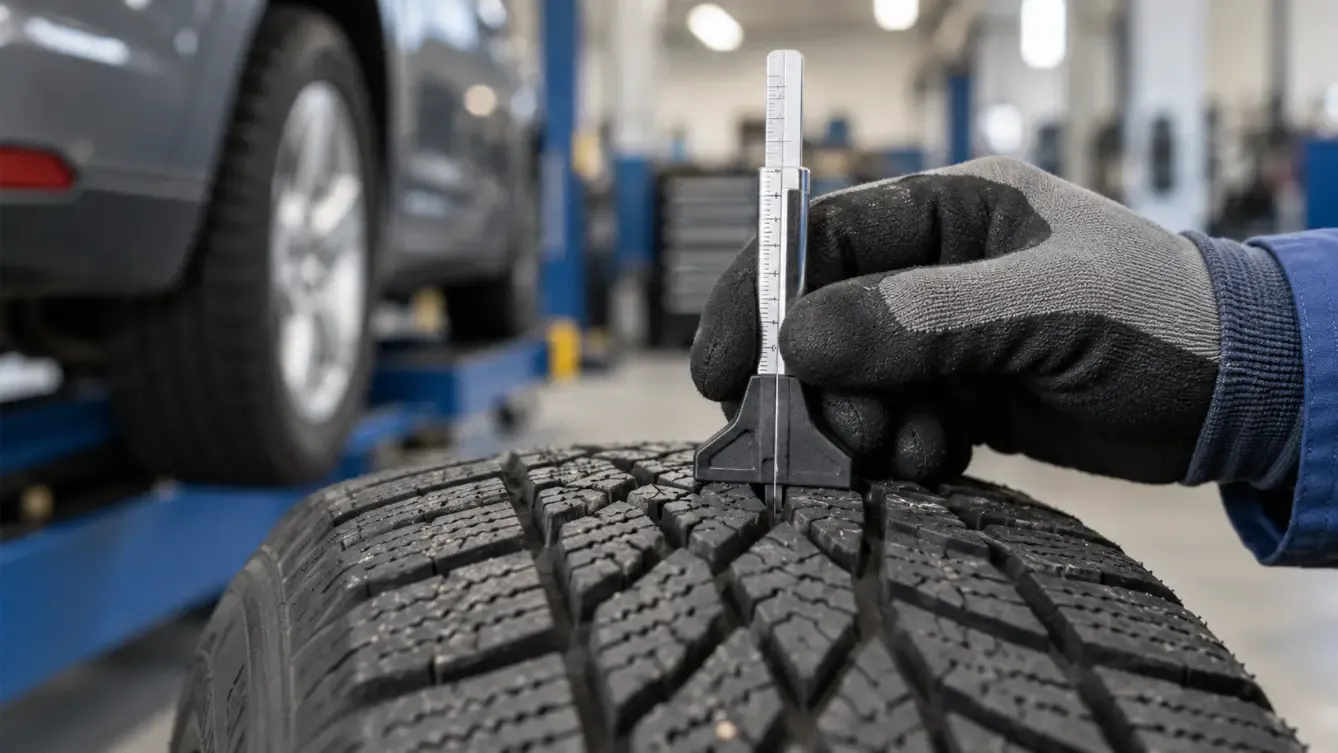
Winter tires and tire pressure
Fleet vehicles should have tires appropriate for the weather and operating conditions.
Tire pressure also changes as temperatures fall, so regular checks become particularly important during winter.
Businesses should plan seasonal tire changes early rather than waiting until the first major snowfall.
Heating, defrost and visibility
A functioning heater and defrost system is essential for driver comfort and visibility.
Before winter, verify that cabin heat, windshield defrost, wipers, washer fluid and exterior lighting are working properly.
Vehicles with weak heating, persistent window fogging or cooling-system problems should be inspected before they become part of the daily winter workload.
Brakes, suspension and corrosion
Road salt and winter moisture can contribute to corrosion, while potholes and rough pavement can affect steering and suspension.
Routine inspections help identify these problems before they become more noticeable.
For businesses operating year-round, winter preparation should be part of the regular maintenance plan rather than a separate last-minute activity.
How Local Fleet Service Helps Hamilton Businesses
For a business with vehicles operating across Hamilton, Stoney Creek and surrounding communities, the location of its maintenance provider can affect how easily service appointments fit into the workday.
Sending a vehicle far from its operating area can add travel time and make scheduling more complicated.
Using a local repair facility can make it easier to coordinate inspections, discuss recurring problems and arrange repairs when they are needed.
CRS Automotive provides fleet maintenance and repair services for businesses operating cars, light-duty trucks and medium-duty vehicles. Its services include routine inspections, preventive maintenance and repairs across several major vehicle systems.
The Hamilton service centre offers service appointments throughout the week, providing businesses with options when planning maintenance visits.
Appointment availability and repair timelines depend on the work required. Businesses should discuss their fleet size, vehicle types and scheduling needs directly with the service team.
When Should You Set Up a Fleet Maintenance Schedule?
The best time to organize a maintenance schedule is before vehicle problems begin interrupting normal operations.
Start by identifying every vehicle in the fleet and reviewing its maintenance history.
Then establish appropriate service intervals using manufacturer recommendations, operating conditions, mileage and engine hours where relevant.
Avoid servicing every vehicle at the same time
Taking several vehicles out of service simultaneously can create unnecessary disruption.
Where possible, schedule maintenance in stages so the business can continue operating while individual vehicles are being serviced.
A company with six vans, for example, may prefer to schedule one or two vehicles at a time rather than having the entire fleet unavailable.
Encourage drivers to report problems early
Drivers are often the first people to notice changes in vehicle performance.
Create a simple process for reporting unusual noises, warning lights, fluid leaks, vibrations, braking concerns and changes in handling.
A reported problem should be reviewed according to its urgency. Safety-critical defects should be addressed before the vehicle returns to service, rather than waiting for the next routine appointment.
Review the schedule regularly
Maintenance planning should change as the fleet changes.
A vehicle that begins covering more kilometres, carrying heavier loads or operating in more demanding conditions may need a different maintenance approach.
Businesses should periodically review their records and adjust service intervals where necessary.
How to Measure Whether Fleet Maintenance Is Reducing Downtime
A maintenance program is easier to improve when the business tracks more than repair invoices.
The most useful indicators are often straightforward.
Unplanned downtime: Record how many hours or days each vehicle is unexpectedly unavailable because of a mechanical problem.
Scheduled maintenance time: Track how long vehicles are out of service for planned inspections and maintenance. This helps determine whether appointments are being coordinated efficiently.
Breakdown frequency: Record how often vehicles require towing, roadside assistance or unscheduled repairs.
Maintenance cost per vehicle: Compare routine maintenance expenses with repair costs over time. Review vehicles individually rather than relying only on the total fleet budget.
Recurring defects: Identify problems that repeatedly affect the same vehicle or several vehicles of the same type.
These measurements help fleet managers understand whether their maintenance plan is producing more predictable operations.
For example, a business may find that planned maintenance expenses remain relatively stable while the number of unexpected breakdowns decreases.
That is a meaningful improvement even if the company does not see an immediate reduction in every repair expense.
The objective is not simply to minimize what is spent on maintenance. It is to balance maintenance costs, vehicle reliability, safety and operational availability.
Can Preventive Fleet Maintenance Help Lower Long-Term Operating Costs?
Preventive maintenance requires a budget, but delaying necessary work does not necessarily save money.
Neglected maintenance can lead to more extensive repairs, additional component wear and unexpected vehicle downtime.
For example, an unresolved cooling-system leak may eventually cause overheating. A sticking brake caliper can contribute to premature pad and rotor wear. An alignment problem can shorten tire life.
Identifying these conditions earlier may reduce the likelihood of additional damage.
Regular servicing can also help maintain efficient vehicle operation, although fuel savings and repair-cost reductions will vary by vehicle and use.
A well-maintained vehicle is not guaranteed to avoid mechanical failures. However, a structured maintenance plan gives businesses a better opportunity to identify problems early and plan expenses before they become emergencies.
Contact CRS Automotive for Fleet Maintenance in Hamilton
Whether your company operates a few service vans or a larger group of business vehicles, unexpected downtime can affect employees, customers and daily operations.
A preventive maintenance plan can help your business stay ahead of routine servicing, identify developing problems and schedule repairs with less disruption.
CRS Automotive provides fleet maintenance services in Hamilton, including inspections, preventive maintenance and repairs for cars, light-duty trucks and medium-duty vehicles.
If you want to review your current maintenance approach or discuss servicing multiple vehicles, contact CRS Automotive to explain your fleet’s requirements.
The service centre is located at 999 King Street East in Hamilton.
Frequently Asked Questions
How does preventive fleet maintenance reduce downtime?
Preventive maintenance helps identify wear, leaks and developing mechanical problems before they cause unexpected breakdowns. It also allows businesses to schedule inspections and repairs around their operating needs, reducing the disruption caused by unplanned service visits.
How often should fleet vehicles be serviced?
Service intervals depend on the vehicle manufacturer, mileage, engine hours, operating conditions and maintenance history. Vehicles used for frequent short trips, heavy loads or extended idling may have different maintenance requirements from vehicles used primarily for highway driving.
What should be included in a fleet maintenance program?
A fleet maintenance program should include scheduled inspections, oil and fluid services, tire checks, brake inspections, battery testing, steering and suspension checks, and other manufacturer-recommended maintenance. Maintenance records and a process for reporting defects are also important.
Is fleet maintenance different from regular car maintenance?
The mechanical services are often similar, but fleet maintenance also involves coordinating multiple vehicles, tracking service histories, planning appointments and minimizing disruption to business operations. Some commercial vehicles may also be subject to additional inspection and recordkeeping requirements.
Can CRS Automotive service different types of fleet vehicles?
CRS Automotive provides maintenance and repairs for cars, light-duty trucks and medium-duty vehicles. Businesses should contact the service centre to discuss their specific vehicle types and maintenance needs.