A long drive can be exciting, whether you are heading out for a summer road trip, visiting family, driving to cottage country or leaving Hamilton for a weekend away. But before you load the vehicle and get on the highway, it is worth asking one important question: is your car ready for the trip?
Summary
Many breakdowns do not happen because of one sudden problem. They happen because a small issue was already developing before the drive began. Low oil, worn tires, weak brakes, old wipers, a weak battery or low fluid levels can all become bigger concerns once you spend hours on the road.
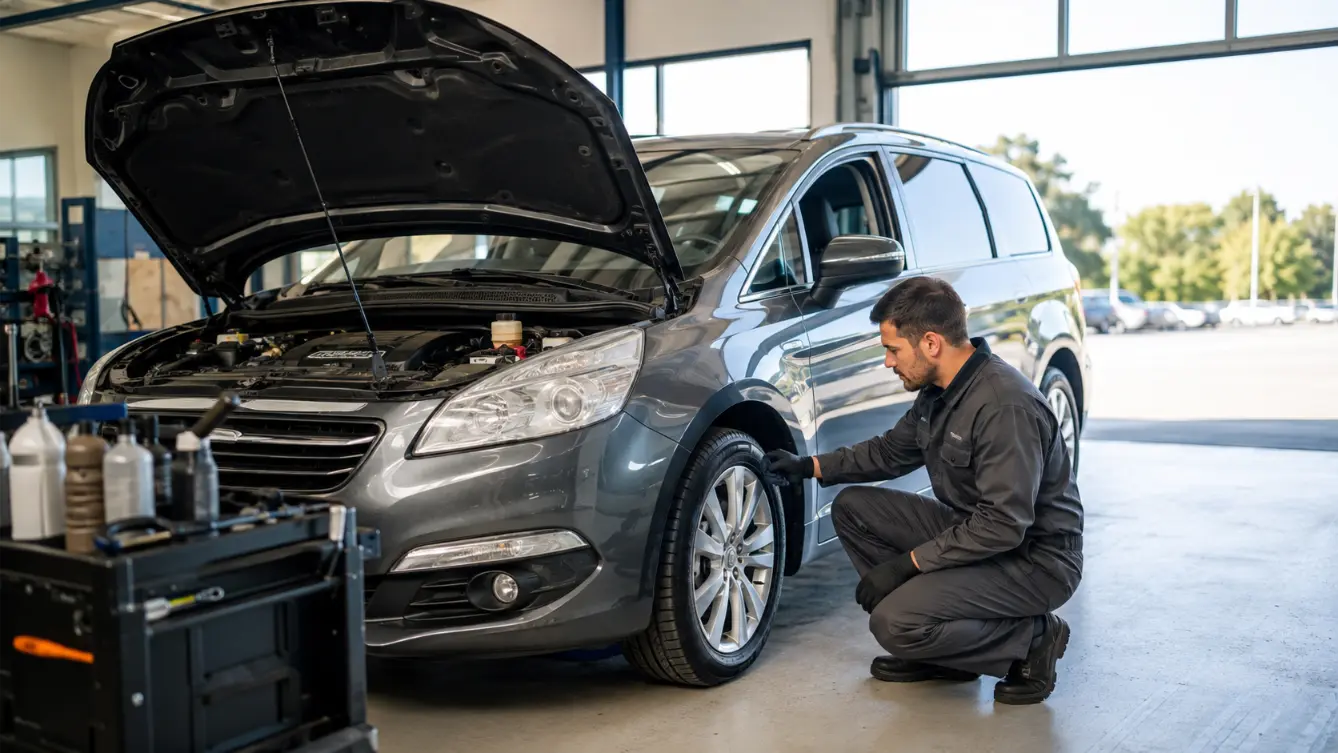
A pre-trip inspection helps reduce that risk. If you are not sure what to check, CRS Automotive provides vehicle maintenance service in Hamilton for drivers who want their vehicle inspected before a longer drive.
Here are the most important maintenance items to review before leaving Hamilton on a long trip.
Why a Pre-Trip Vehicle Check Matters
Driving around the city and driving for several hours on the highway are not the same. A vehicle may seem fine during short daily trips but still have problems that show up during longer travel.
Highway driving can place extra demand on:
- tires;
- brakes;
- engine oil;
- coolant;
- battery and charging system;
- belts and hoses;
- suspension;
- steering;
- lights;
- air conditioning.
A long drive also gives you fewer convenient options if something goes wrong. A flat tire, overheating engine or brake issue is easier to manage close to home than on the side of a highway, during a holiday weekend or far from your regular repair shop.
A pre-trip check does not guarantee that nothing will ever happen, but it can help identify visible wear, low fluids, warning signs and maintenance needs before they interrupt your plans.
This is especially useful before:
- summer vacations;
- long weekends;
- family road trips;
- business travel;
- drives to another province;
- cottage trips;
- airport drives;
- winter holiday travel;
- trips with children, pets or heavy luggage.
If the vehicle is due for service anyway, it is better to complete it before the trip rather than hoping it can wait until after you return.
Check Your Oil Before a Long Drive
Engine oil helps lubricate, clean and protect the engine. If the oil level is low or the oil is old, the engine may not be protected as well as it should be during extended driving.
Before a long trip, check:
- the oil level;
- the colour and condition of the oil;
- whether the vehicle is overdue for an oil change;
- whether there are signs of leaks;
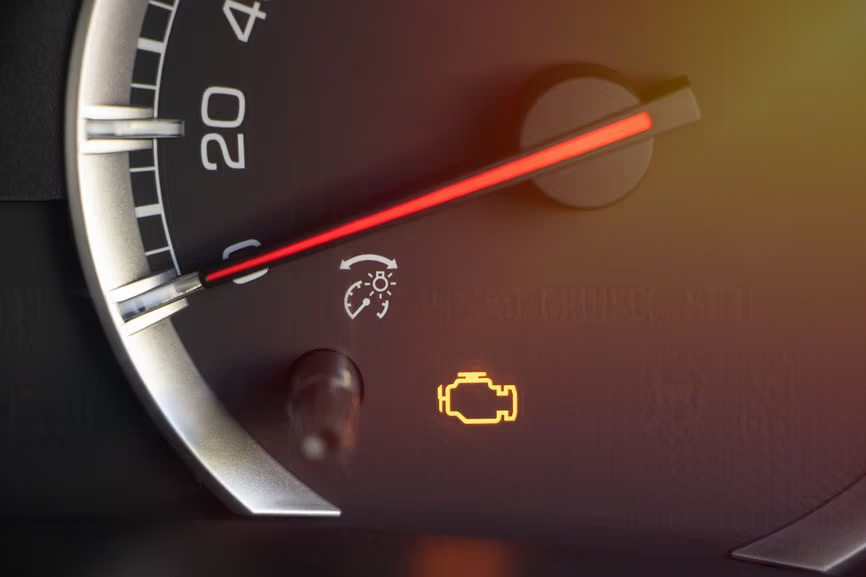
- whether the oil warning light has appeared recently.
Some vehicles have electronic oil-level monitoring, while others use a traditional dipstick. If you are checking the oil yourself, follow the instructions in the owner’s manual and make sure the vehicle is parked safely on level ground.
Signs your oil may need attention before the trip
Book service before travelling if you notice:
- the oil level is below the recommended range;
- the oil looks very dark or dirty;
- the engine sounds louder than usual;
- an oil warning light appears;
- there is oil underneath the vehicle;
- the vehicle is past the recommended oil-change interval;
- you are unsure when the last oil change was completed.
If your vehicle is due, schedule an oil change in Hamilton before the drive. Fresh oil is a simple maintenance step that can help protect the engine during long-distance travel.
Inspect All Major Fluid Levels
Oil is not the only fluid to check before a long drive. Several fluids help your vehicle operate safely and reliably.
Before travelling, inspect or have a technician check:
- engine coolant;
- brake fluid;
- transmission fluid, where applicable;
- power steering fluid, where applicable;
- windshield washer fluid;
- engine oil;
- hybrid or EV cooling fluids, if applicable.
Coolant
Coolant helps regulate engine temperature. A low coolant level, leak or cooling-system problem can increase the risk of overheating, especially during hot weather, traffic delays or long climbs.
Do not remove the radiator cap or coolant reservoir cap when the engine is hot. The system can be under pressure and may cause burns.
Have the cooling system inspected if:
- the temperature gauge rises;
- you see coolant under the vehicle;
- the heater or A/C behaves strangely;
- the coolant level keeps dropping;
- you notice a sweet smell near the engine;
- the vehicle has overheated recently.
Brake fluid
Brake fluid is part of the hydraulic system that allows pedal pressure to reach the brakes. Low brake fluid may indicate worn brake components or a leak.
If the brake pedal feels soft, travels too far or a warning light appears, do not leave on a long drive before the system is inspected.
Windshield washer fluid
This seems small, but it matters. Bugs, dust, construction debris, rain and road spray can quickly reduce visibility. Fill the washer fluid reservoir before leaving and carry extra fluid if you are travelling far.
Check Your Tires Before Highway Driving
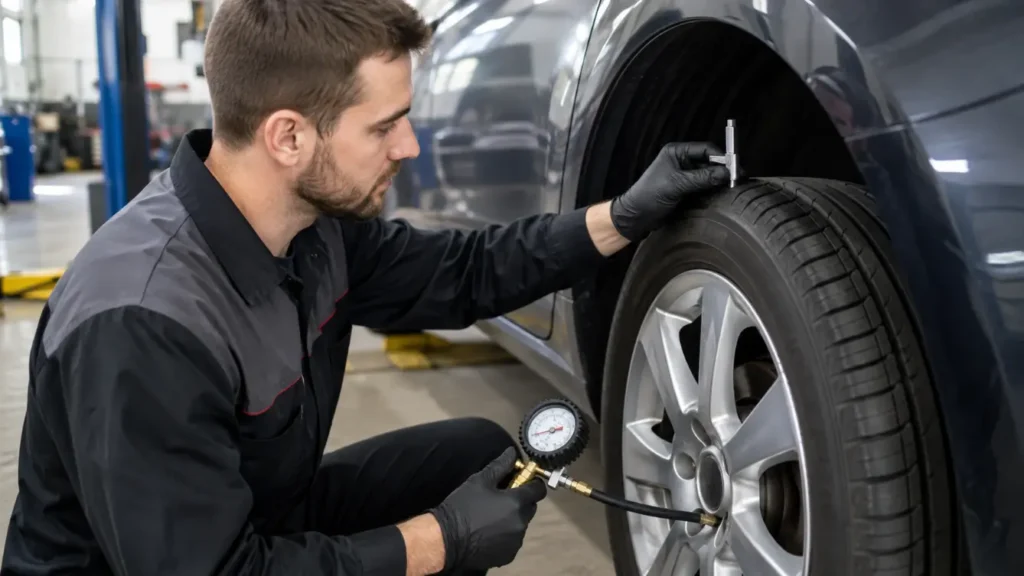
Your tires are the only part of the vehicle that touches the road. Before a long drive, they should be checked carefully.
At minimum, inspect:
- tire pressure;
- tread depth;
- uneven wear;
- sidewall damage;
- punctures;
- bulges;
- cracks;
- missing valve caps;
- the spare tire, if equipped.
Incorrect tire pressure can affect fuel economy, handling, braking distance and tire wear. A tire that is underinflated can also generate more heat during highway driving.
Look for uneven tire wear
Uneven wear may point to:
- alignment issues;
- suspension problems;
- incorrect tire pressure;
- worn steering components;
- tire balancing problems;
- delayed tire rotation.
If you notice uneven wear or vibration at higher speeds, schedule tire service in Hamilton before the trip. A tire problem that feels minor in the city can become much more noticeable on the highway.
Do not forget the spare
If your vehicle has a spare tire, check that it is present, inflated and usable. Also confirm that the jack and wheel tools are in the vehicle.
Some newer vehicles do not include a spare tire. They may come with a tire repair kit or inflator instead. Make sure you know what your vehicle has before you need it.
Make Sure Your Brakes Feel Right
Brake problems should never be ignored before a long drive. Highway speeds, traffic, hills, weather and emergency stops all require a braking system that works properly.
Before travelling, pay attention to how the brakes feel and sound.
Warning signs include:
- squealing;
- grinding;
- scraping;
- vibration while braking;
- a soft or spongy pedal;
- a pedal that feels unusually hard;
- the vehicle pulling to one side;
- a burning smell near a wheel;
- a brake warning light;
- longer stopping distance.
A small brake concern can become more stressful during a long trip, especially when the vehicle is carrying passengers, luggage or equipment.
If something feels different, book brake repair in Hamilton before leaving. It is better to know the condition of the pads, rotors, fluid and hydraulic system before the vehicle is loaded and on the highway.
Test Your Battery Before You Leave
A weak battery can be easy to overlook in summer, but it can still cause problems. Long trips often involve extra electrical demand from navigation, phone charging, air conditioning, entertainment systems and frequent stops.
Before a long drive, watch for signs of a weak battery:
- slow engine cranking;
- dim headlights;
- clicking when you try to start the vehicle;
- battery warning light;
- corrosion around the battery terminals;
- the battery is several years old;
- the vehicle recently needed a boost.
A battery may still start the vehicle at home but fail after a stop during the trip. If you are unsure about its condition, have it tested before leaving.
The charging system should also be checked if the battery warning light appears or if the vehicle has had repeated starting problems.
Check Lights, Signals and Wipers
Visibility and communication with other drivers are essential during long-distance driving.
Before leaving, check:
- headlights;
- high beams;
- brake lights;
- turn signals;
- hazard lights;
- reverse lights;
- license plate lights;
- interior lights;
- windshield wipers;
- rear wiper, if equipped.
Ask someone to help you confirm the brake lights and reverse lights, or check reflections against a garage door or window.
Replace wiper blades if they:
- streak;
- chatter;
- skip;
- leave unclear areas;
- are cracked or split;
- do not clear rain effectively.
Poor wipers can make a long drive much harder during rain, highway spray or sudden weather changes.
Inspect Belts and Hoses
Belts and hoses are not always top of mind, but they can cause major problems if they fail during a trip.
A technician can inspect belts and hoses for:
- cracks;
- fraying;
- swelling;
- leaks;
- soft spots;
- glazing;
- looseness;
- abnormal wear;
- signs of age.
Belts may help drive components such as the alternator, water pump, A/C compressor or power steering system, depending on the vehicle. Hoses carry coolant and other fluids through the system.
If a belt breaks or a hose leaks, the vehicle may overheat, lose charging ability or become unsafe to drive.
Book an inspection before travelling if you notice squealing, coolant smell, visible cracks, fluid leaks or recent overheating.
Make Sure the A/C and Heating System Works
Comfort is not the only reason to check the climate-control system before a long drive. Air conditioning helps remove moisture from the cabin and supports defogging. Heating and defrost functions are important for visibility in cold or wet conditions.
Before leaving, test:
- cold air from the A/C;
- warm air from the heater;
- front defrost;
- rear defrost;
- fan speeds;
- airflow from the vents;
- unusual smells;
- unusual noises.
If the A/C is blowing warm air, the heater is weak or the defroster does not clear the windshield properly, schedule A/C and heating service in Hamilton before the trip.
This is especially important if you are driving with children, older passengers, pets or anyone sensitive to heat or cold.
Pay Attention to Suspension and Steering
Suspension and steering problems can make long drives tiring and unsafe. What feels like a small vibration around town may become more noticeable at highway speeds.
Before a longer trip, pay attention to:
- steering wheel vibration;
- pulling to one side;
- clunking over bumps;
- bouncing after hitting a dip;
- uneven tire wear;
- loose steering feel;
- vehicle leaning;
- noise when turning;
- shaking at highway speed.
These symptoms may be related to tires, wheels, suspension, steering or alignment.
If the vehicle feels unstable, book suspension service in Hamilton before driving long distances. A stable vehicle is easier to control, more comfortable for passengers and safer during emergency manoeuvres.
Prepare an Emergency Kit
Maintenance helps reduce risk, but drivers should still be prepared for unexpected situations.
A basic road-trip emergency kit may include:
- phone charger;
- flashlight;
- jumper cables or booster pack;
- tire-pressure gauge;
- first-aid kit;
- reflective triangles or safety light;
- bottled water;
- blanket;
- gloves;
- basic tools;
- extra washer fluid;
- paper towels;
- proof of insurance and registration;
- roadside assistance information.
For longer drives, consider the season and destination. A summer road trip and a winter drive require different supplies.
If your vehicle has a spare tire or repair kit, make sure you know where it is and how it works.
When Should You Book a Pre-Trip Inspection?
A pre-trip inspection is a good idea if:
- the vehicle is due for maintenance;
- you are planning a long highway drive;
- the vehicle has not been inspected recently;
- you noticed a warning light;
- the brakes, tires or steering feel different;
- the A/C or defroster is not working properly;
- the vehicle has high mileage;
- you are carrying passengers or heavy luggage;
- you are driving outside your normal routine;
- you do not know the vehicle’s service history.
Try not to book the inspection at the last possible moment. If the technician finds worn tires, brake issues, leaks or other concerns, you may need time to complete the repair before leaving.
A good inspection should give you a clearer picture of what is urgent, what can wait and what should be watched over time.
Book Maintenance Service Before a Long Drive from Hamilton
Before leaving Hamilton for a long drive, take time to make sure your vehicle is ready for the road.
CRS Automotive can inspect key systems such as oil, fluids, tires, brakes, battery, lights, wipers, belts, hoses, suspension and climate control. If something needs attention, the team can explain the issue and recommend the appropriate service before your trip.
Book maintenance service in Hamilton before your next road trip, or contact CRS Automotive to discuss the type of drive you are planning.
The CRS Automotive service centre is located at 999 King Street East in Hamilton.
Frequently Asked Questions
What should I check on my car before a long drive?
Before a long drive, check the oil, coolant, washer fluid, tires, brakes, battery, lights, wipers, belts, hoses and A/C system. If the vehicle is due for maintenance or has a warning light, book an inspection before leaving.
Should I get an oil change before a road trip?
If your vehicle is close to or past its recommended oil-change interval, it is better to complete the oil change before the trip. Long-distance driving can place extra demand on the engine, especially in hot weather or heavy traffic.
How do I know if my tires are safe for a long drive?
Check tire pressure, tread depth, sidewall condition and uneven wear. If you notice vibration, pulling, low tread, cracking, bulges or repeated pressure loss, have the tires inspected before highway driving.
Should brakes be inspected before a road trip?
Yes, especially if you hear squealing or grinding, feel vibration, notice a soft pedal or see a brake warning light. A brake inspection can identify worn pads, rotor issues, fluid concerns or other problems before the trip.
How early should I book a pre-trip inspection?
Book the inspection several days before your planned drive if possible. This gives you time to complete any needed repairs instead of discovering a problem right before you leave.