
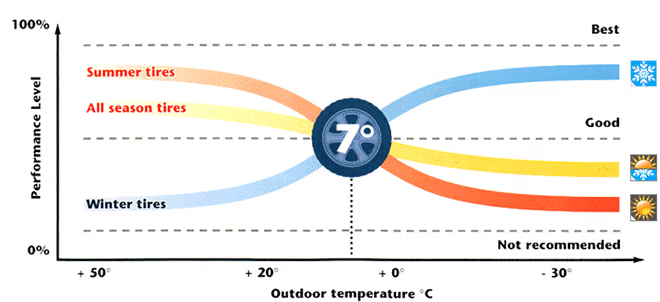
 Since winter tires work best in snow and icy conditions, at a maximum temperature of +7°C, you can swap them for all-season or summer tires when the temperature is steady above that. However, with notoriously fickle springs in Ontario, it’s important that you keep an eye on temperatures for at least several consecutive days before making the swap. March and April are transition months during which there is much climatic instability, and the variations between winter and spring-like weather conditions can be wild and intense. Therefore, if you are unsure about how the weather will bear out, it’s better to hold off on taking off your winter tires. You should also look at your auto insurance policy to help you decide when to swap winter tires, since many insurance companies offer discounts in Ontario if you have 4 winter tires on your vehicle and usually within a time window – from November to April. So, keep an eye on the mercury in the thermometer, check the forecasts, read your insurance policy and above all, take your time before deciding to remove your winter tires. Just don’t wait too long. The hotter it gets, the harder it is on winter tires, so the longer you wait, the more your snow tires could be affected. That’s because winter tires usually have more “sipes” (thin slits across the surface of a tire, often in a zig-zag pattern and tread blocks to maximize traction in the snow and ice. Therefore, the hotter it gets, the more you may start to lose traction due to the extra siping and tread blocks on your snow tires, resulting in a ‘greasy’ feel. This is extremely important because losing traction may affect braking efficiency and collision avoidance abilities. Also, don’t be tempted to keep your winter tires on year-round as you could be more at risk by driving with winter tires on hot pavement. Before you make the decision to switch your winter tires from your vehicle, use the time to find them a proper place to store them until next winter. Winter tires tend to cost a bit more, and careless storage could mean they’ll be unusable for next winter. It’s important to purchase a durable tire bag for each of your four winter tires – don’t just buy 2 and place them in between your tires. Stack your tires carefully once they are wrapped in the bags and make sure they are away from any water or substances that could cause damage. Always store your tires in a cool, dry place to preserve their air pressure and to prevent the rubber from cracking or becoming damaged. You can also have your tires stored with your repair shop, which will take care of them for you during the summer months. Bring your car to your trusted mechanic and we will take care of your car like our own. Come to our repair shops in Hamilton today and get advice on when to remove your winter tires! We are located only 5 min driving North of St. Peter’s Hospital – Hamilton Health Sciences and 6 min driving North of Gage Park.
 Frequently Asked Questions
When is it safe to remove winter tires in Hamilton, Ontario?
Remove winter tires when daytime temperatures are consistently above +7°C for several consecutive days. Spring weather in Ontario can be variable, so wait until forecasts show stable warmer conditions before swapping to all-season or summer tires.
Why is +7°C the recommended temperature threshold for changing tires?
Winter tires are designed with softer rubber and extra sipes that perform best at or below +7°C. Above that temperature the rubber softens too much, reducing traction, braking efficiency and increasing wear, so switching to tires intended for warmer conditions is safer and prolongs tire life.
How do I decide whether to change tires now or wait during an unstable spring?
Check multi-day temperature forecasts and local conditions; if temperatures fluctuate around +7°C, it’s safer to wait. Also review your auto insurance terms—some insurers offer winter tire discounts that apply only through specific months (commonly November to April), which may influence timing.
What should I do with winter tires after removal?
Clean and dry each tire, place each in a durable tire bag, and stack them in a cool, dry place away from direct sunlight, water and chemicals. Alternatively, ask CRS Automotive about seasonal tire storage at the shop so the tires are kept properly until next winter.
Can I keep winter tires on year-round to avoid swapping?
No. Keeping winter tires on hot pavement reduces their effectiveness, increases wear and can make handling feel greasy due to extra siping and tread blocks. Swap to appropriate tires when temperatures are consistently above +7°C to maintain safety and tire longevity.